

Hidden treasures of knowledge: Why employees don’t share their knowledge
Knowledge is a central resource in modern companies – yet paradoxically, it is often withheld. Studies show that employees do not share their knowledge for psychological reasons: fear of loss of status, uncertainty about their own expertise, or low trust in colleagues are frequently cited causes (Zhou et al., 2022). Some fear becoming replaceable or losing valuable advantages by sharing knowledge, while others see no personal benefit in sharing. Negative past experiences, such as ignored contributions or a lack of recognition, also reinforce these barriers.
This is rarely a matter of bad intentions – rather, it is unconscious protective mechanisms or structural problems that inhibit exchange. When knowledge remains in silos, not only does innovation suffer, but so does team collaboration. An open knowledge culture therefore begins with understanding these psychological hurdles – regardless of whether a knowledge management tool is already in use or not.
Psychological safety as a foundation for open knowledge sharing
Those who want knowledge to be shared must create an environment in which employees feel safe. The key term here is psychological safety – the confidence to express oneself within the team without fear of embarrassment or sanctions (Psychology Today, 2024). Leaders play a crucial role here: they should not only share knowledge but actively ask for it, seek different perspectives, and make mistakes visible as learning opportunities.
Reducing competitive thinking – for example, through shared goals and team incentives – also promotes a cooperative attitude. Formats such as learning circles, retrospective meetings, or informal exchange help to break down barriers. It is also important that knowledge transfer does not appear as an additional effort but must be integrated into daily work. A supportive knowledge management tool can help to make these processes structured and low-threshold – provided that its use is actively supported and valued.
Overcoming cultural and structural hurdles with knowledge management tools
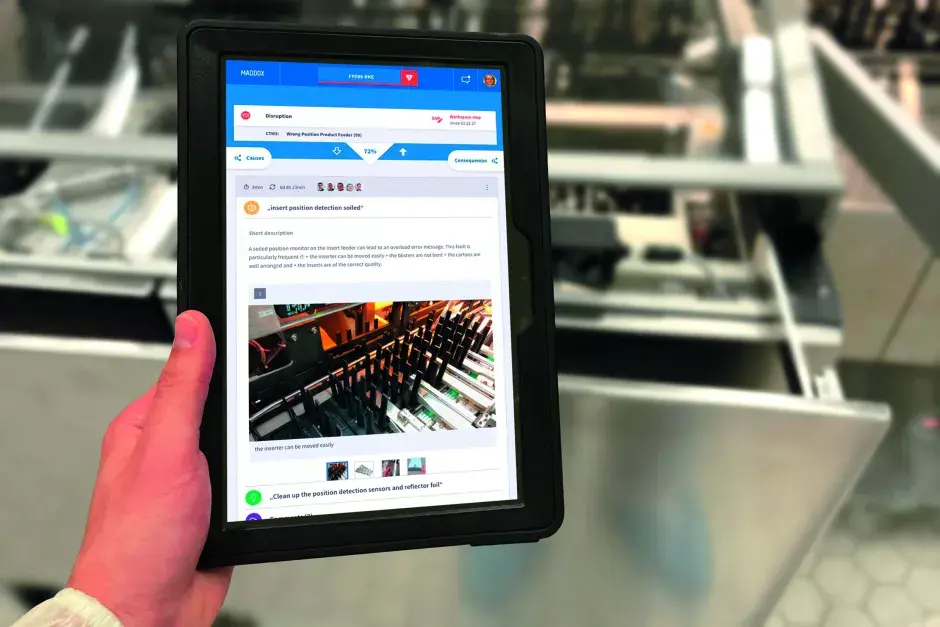
Technology alone does not solve psychological barriers – but it can be an important catalyst. A well-implemented knowledge management tool not only supports structured documentation and accessibility of knowledge but also actively promotes exchange. It creates transparency, makes it easier to find solutions, and reduces the fear of becoming redundant through shared information. In combination with clearly defined roles, tags, and feedback functions, employees can contribute and benefit in a targeted manner.
However, it is crucial that such tools are not introduced in isolation but are embedded in an overall concept. This includes an open communication culture as well as continuous training and the appreciation of active knowledge contributions. When psychological safety meets technical infrastructure, a productive learning environment is created – and knowledge sharing becomes a natural part of everyday work.