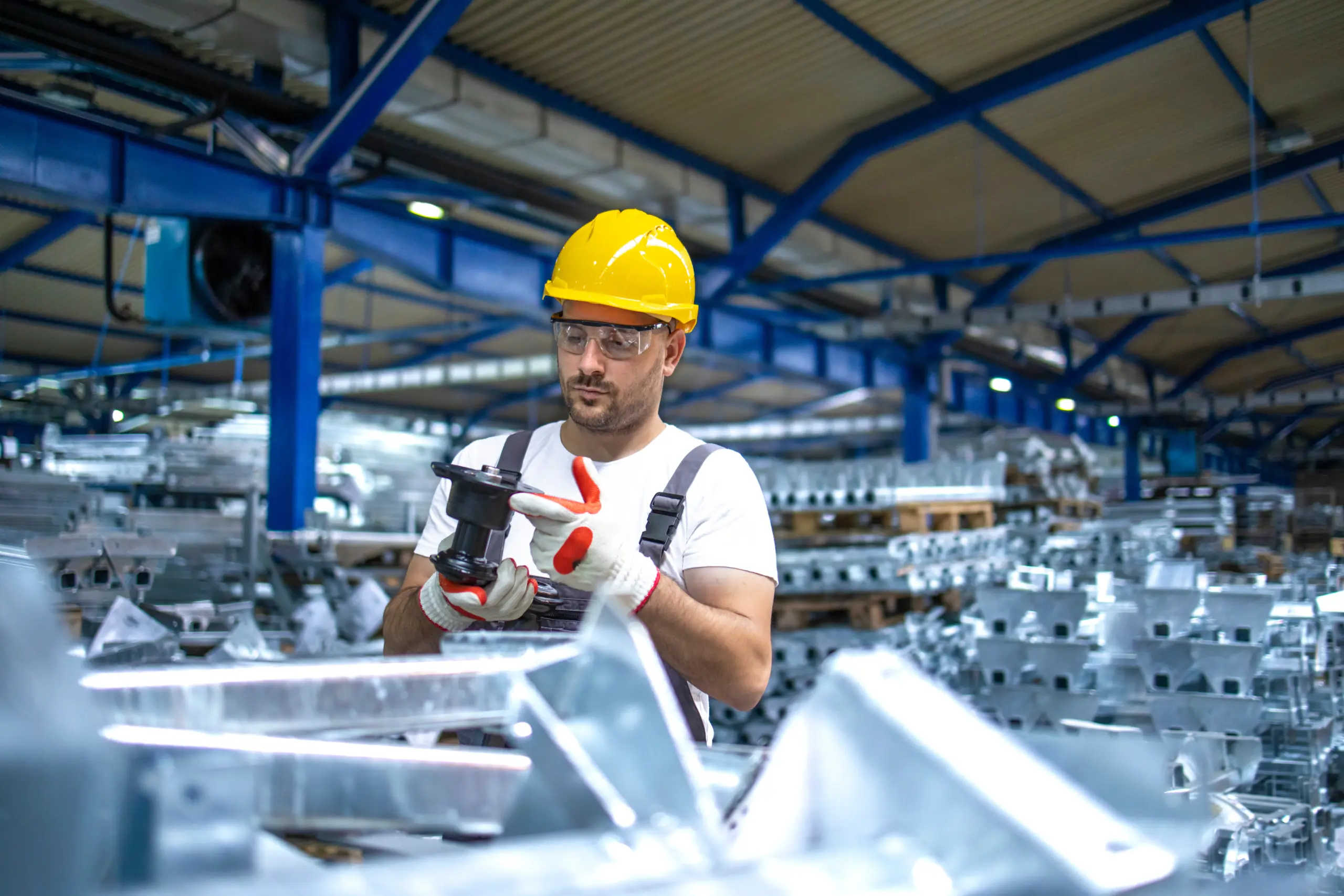

The automotive industry is reaching a new dimension with the planned mega-factory in Zhengzhou, China – an area larger than San Francisco. To operate successfully on this global scale, companies must leverage software and knowledge as central strategic resources.
The Automotive Revolution
The automotive industry is a global key sector of enormous scale and strategic importance. Vehicle production alone involves millions of components, thousands of suppliers worldwide, and highly complex manufacturing facilities whose areas are comparable to entire cities. Large plants, such as the one in Zhengzhou, China, span more than 130 square kilometers, illustrating the sheer size and logistical complexity of modern automotive production.
Beyond physical manufacturing, the industry is increasingly software-driven. Modern vehicles integrate increasingly complex digital systems – from driver assistance and infotainment to energy optimization, which are no longer solely determined by hardware.
The industry encompasses not only manufacturers but a comprehensive ecosystem of suppliers, logistics companies, research institutions, and service providers.
In this gigantic network, the ability to systematically capture, link, and make knowledge available for operational decisions becomes a decisive success factor. These developments thus mark not only a technological shift but a new dimension of industrial complexity and innovation dynamics.
Knowledge Management as a Key Resource in the Automotive Industry of the Future
Against this backdrop, the question arises as to what role knowledge management can play in the long-term success of companies. In their article on ResearchGate, Wang and Yin analyze the role of knowledge management in automotive production, considering cultural differences between Germany and China – albeit in very different ways. While Chinese plants focus on technological efficiency and rapid scaling, German manufacturers emphasize precision, quality, and the expansion of human expertise.
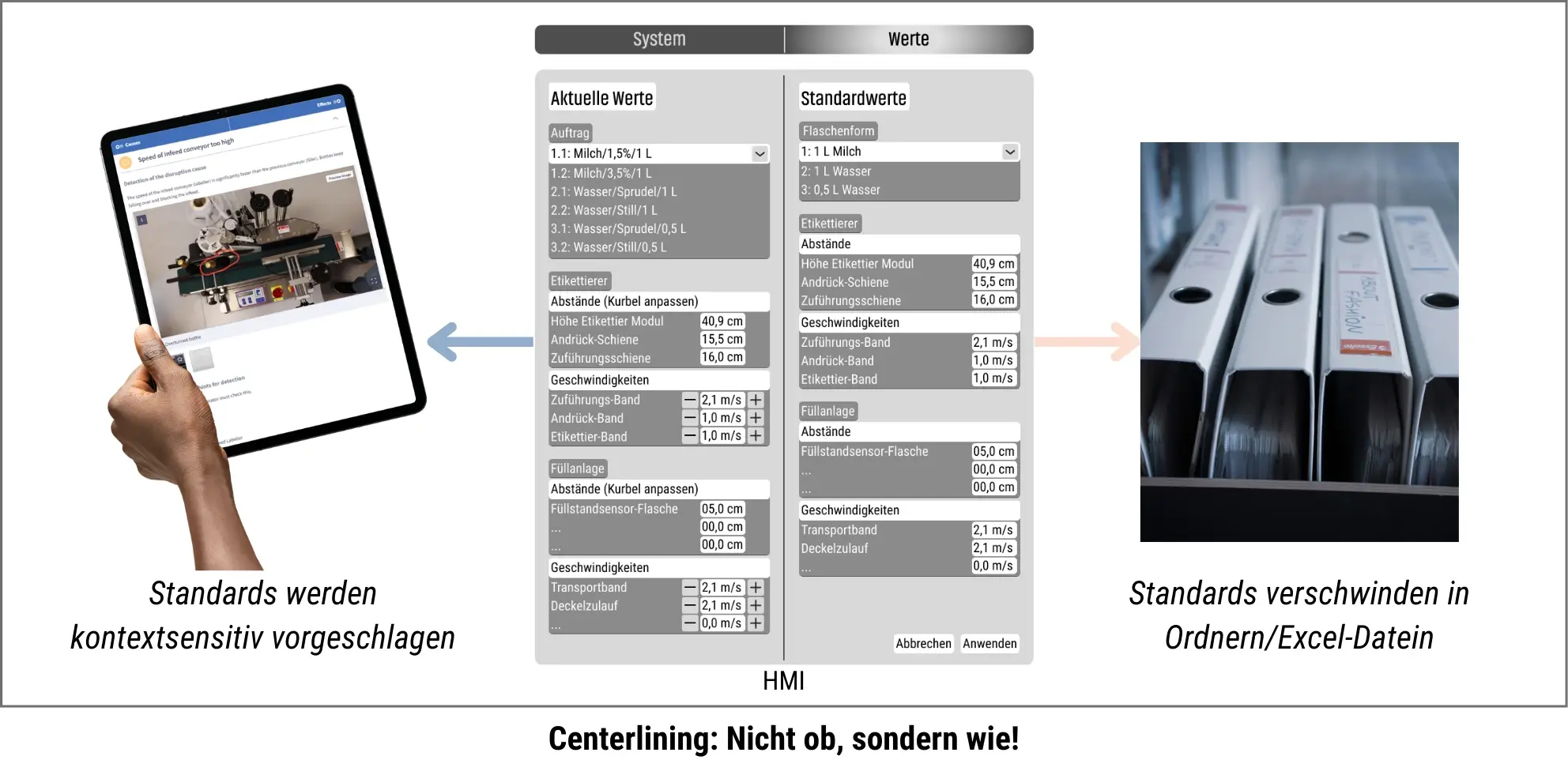
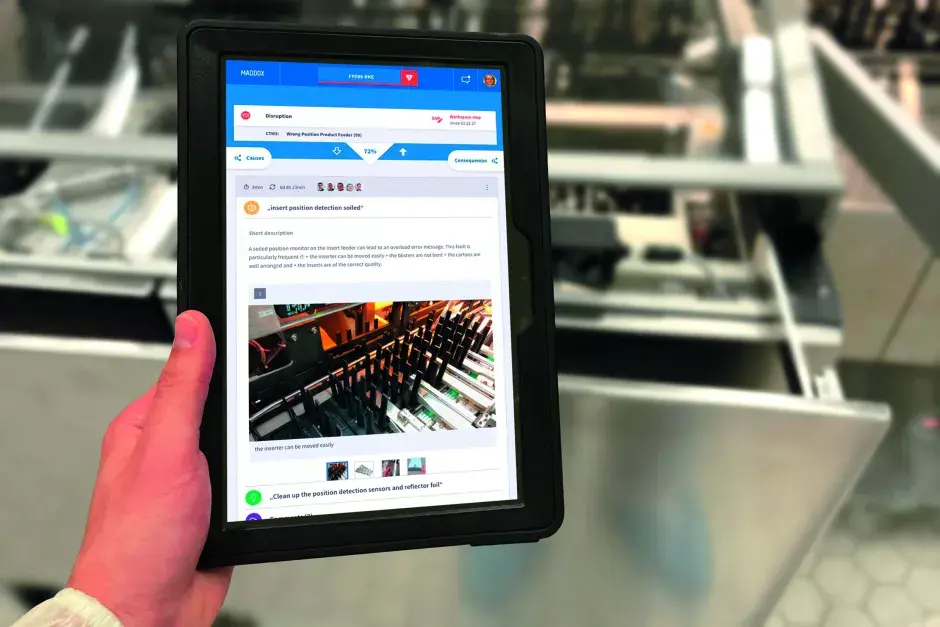
Knowledge management offers concrete applications here: from real-time analysis of production data and predictive maintenance to the systematic documentation of best practices. AI-powered systems connect information from machines, software, and employees into a living knowledge network that accelerates operational decisions and shortens innovation cycles. At the same time, the integration of heterogeneous data sources, ensuring data protection, and training employees pose central challenges.
Companies that successfully manage this dynamic can not only increase efficiency but also secure a decisive competitive advantage in the global market. Thus, knowledge management becomes not just a tool, but a strategic lever.
Maddox addresses these challenges directly in production, ensuring that knowledge is efficiently utilized and operational processes are optimized. If you would like to learn more, you can read the article here.